Lead Generation Software: A Practical Guide to Better B2B Prospecting

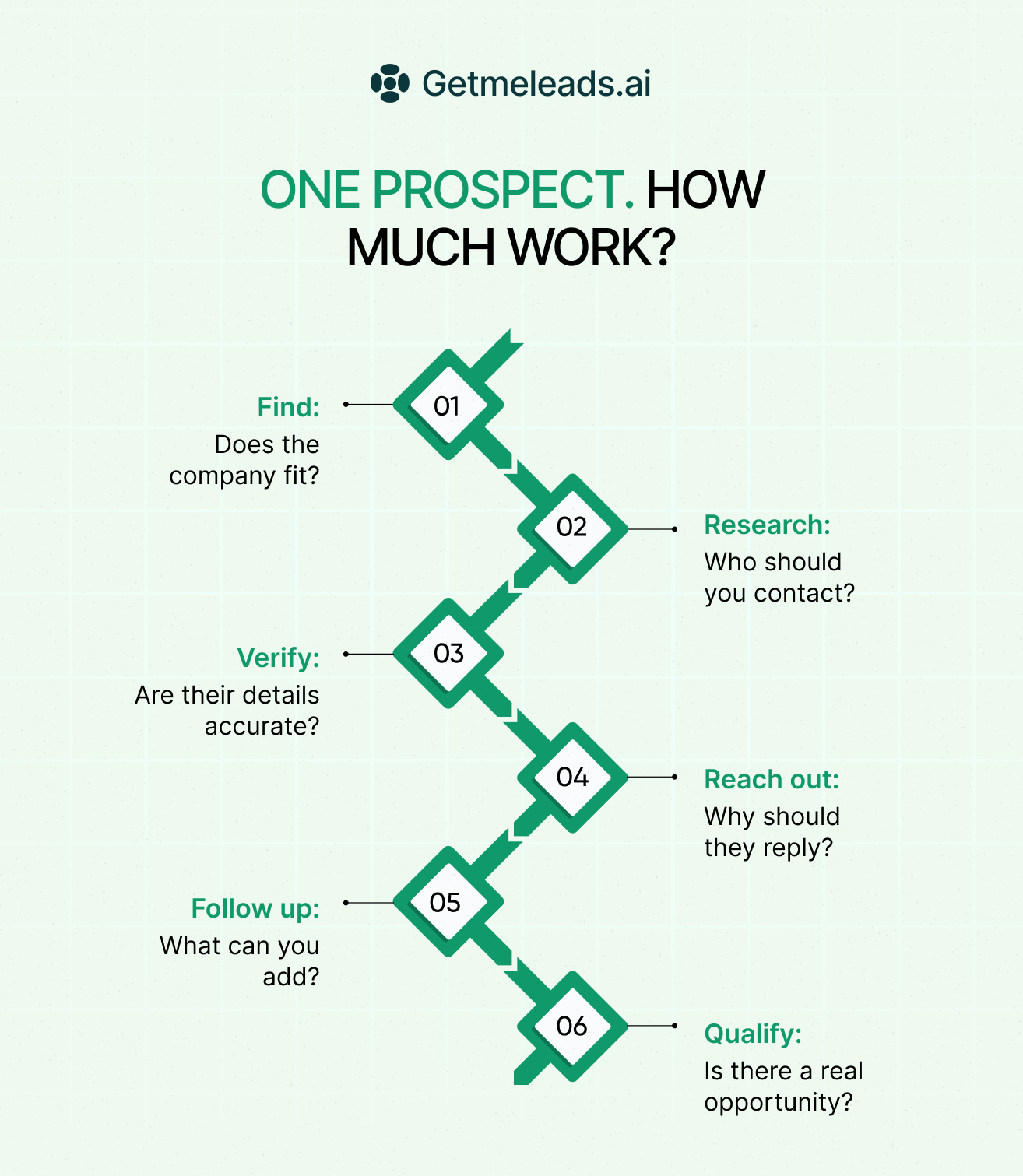
How much work does it take to start one sales conversation? Find the right company. Identify the decision maker. Check their details. Write the message. Follow up. Remember who replied.
Before a prospect ever hears your pitch, your team has already put in hours. When that work is scattered across tools, even a simple outreach campaign becomes difficult to manage.
Lead generation software helps bring those tasks together. But choosing it takes more than comparing database sizes or counting features. You need to understand how it supports the work between finding a potential buyer and earning a worthwhile conversation.
Here’s what to look for.
What Is Lead Generation Software?
Lead generation software helps businesses find, capture, organise and develop potential customer relationships. Depending on the product, it may support contact discovery, enrichment, campaign creation, follow-ups, lead scoring or reporting.
Some tools focus on inbound enquiries through forms and landing pages. Others support outbound prospecting through contact research and outreach workflows.
For a B2B sales team, the practical question is simple: does this software help us reach relevant people with a credible reason to talk?
A larger database alone cannot answer that.
Where B2B Prospecting Fits
Lead generation and prospecting overlap, but they serve different purposes.
Lead generation creates or captures potential interest. Prospecting involves researching potential buyers, assessing their fit and deciding whom to approach.
Imagine selling onboarding software to recruitment agencies. A list of business email addresses gives you contacts. Filtering for agency size, hiring activity and operational needs gives your outreach a clearer direction.
Qualification adds another layer: does the prospect have a relevant problem and a realistic path to buying?
Assess both suitability and interest. Someone may engage with your content without having the business need or purchasing authority your offer requires.
Five Features That Deserve a Closer Look
Feature lists can make competing lead generation tools look almost identical. Evaluate what happens during an actual working day instead.
1. Search That Reflects Your Ideal Customer
Look for filters that match how you define potential buyers. Industry, location, company size and job function can provide a starting point.
Then test the results. Are the companies relevant? Do the roles match your buying audience? Can you exclude existing customers or accounts already being approached?
The ability to build and review prospect lists before launching outreach gives your team an opportunity to remove unsuitable contacts.
A useful search should reduce the amount of manual sorting required before outreach begins.
2. Data You Can Assess
A contact record needs enough context to support a sensible approach.
Check what information is available, where it comes from and whether the provider explains its verification process. Review a sample against your target market.
Treat verified contact details as a useful signal rather than a delivery guarantee. People change roles. Businesses change domains. Records need maintenance.
3. Outreach With Clear Controls
Campaign builders should make sequencing straightforward without removing oversight.
Check whether you can review messages, adjust timing and pause activity. Ask what happens when someone replies, declines or enters another campaign.
Lead generation automation should follow defined rules. Sending another message after a clear response creates unnecessary friction and makes the original outreach feel careless.
4. Shared Prospect History
Before contacting someone, a rep should be able to see previous activity.
That includes messages, replies, ownership and campaign status where supported. If several teammates work the same market, shared visibility becomes especially useful.
A unified inbox for prospect conversations can help teammates review replies and understand the conversation before deciding what happens next.
Test a duplicate contact during your evaluation. See whether the system flags it and whether the team can resolve ownership before another message goes out.
5. Reporting Beyond Activity
Sent messages describe activity. Qualified conversations tell you more about commercial progress.
Look for reporting that helps connect campaigns with relevant replies, booked meetings and opportunities. Check how each metric is defined.
Review how the platform presents campaign analytics and lead activity. Can your team trace a result back to the outreach that produced it?
A dashboard becomes useful when it helps answer a decision: which audience, message or campaign deserves more attention next week?
Building a Prospecting Workflow That Holds Together
Software works better when the process underneath it is clear.
Start with one audience and one problem. For example, target recruitment agency operations leaders who manage onboarding across several offices.
Build a focused list. Check the records and remove unsuitable accounts before launching a campaign.
Next, write an opening message around a specific operational issue. Explain why you are reaching out and give the recipient an easy way to respond.
Plan follow-ups that add context. A relevant example or a useful question gives someone another reason to engage. Repeating the same request adds little.
Assign ownership before launch. Decide who handles replies and what qualifies a conversation for a meeting.
Finally, review results by audience segment. If replies are positive but meetings stall, examine the handoff. If responses show confusion, revisit the message.
One Platform or Several Tools?
Specialist lead generation tools can work well when a team needs a particular capability. A connected lead generation platform may suit teams struggling with transfers between systems.
The choice depends on the work involved.
Map how a prospect moves through your current setup. Note every export, spreadsheet update and manual status change. Then identify where information gets lost.
Evaluate whether a proposed platform removes those gaps. Check integration behaviour rather than assuming that a listed connection keeps every field synchronised.
Consolidation earns its place when the team can complete important tasks with fewer interruptions and reliable access to the same information.
What Does Lead Generation Software Really Cost?
The subscription is only part of the calculation.
Compare contact credits, user seats, enrichment charges and sending limits where applicable. Include setup time and the effort required to maintain integrations.
Ask what your team would still need to buy separately.
For example, a lower monthly price may look attractive until essential contact data or additional seats require another purchase. Equally, paying for a broad feature set makes little sense if most of it goes unused.
When reviewing GetMeLeads pricing, calculate the cost around your expected usage. Use the same number of users, contacts and campaigns when comparing alternatives.
Keeping AI Useful and Accountable
AI can assist with research summaries, message drafts and campaign ideas. Every draft still needs a check against the available evidence.
A personalised message should reference something accurate and relevant. Mentioning an invented business challenge is a quick way to lose credibility.
Give reviewers a clear standard: factual opening, understandable offer and reasonable next step.
Keep approval responsibilities visible. Someone should own the audience selection and the final wording before outreach begins.
Making the Decision With Get Me Leads
For teams exploring GetMeLeads, start with the workflow you want to improve: prospect research, outreach preparation, follow-ups or reply handling.
Bring a realistic prospect sample and involve the people who will use the product. Choose success criteria before the trial. Measure preparation time, record quality, reply handling and qualified conversations.
Ask a rep to complete the entire process during the evaluation. Have them find a contact, prepare a message, record a response and hand over a meeting. Watch for missing context or repeated work.
The strongest reason to adopt lead generation software is practical: your team can spend less effort coordinating tasks and more attention understanding potential buyers.
Start with one audience. Build a clear outreach process. Then choose the software that helps your team run it consistently.